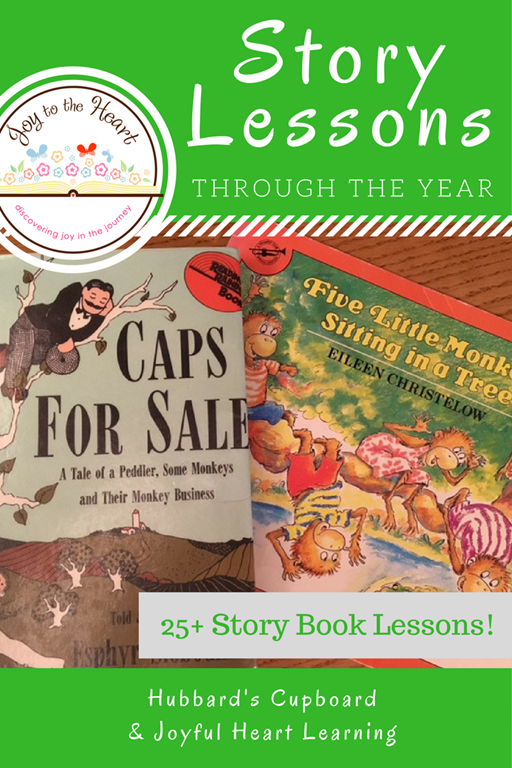
Story Book Lessons

Preschoolers and Kindergarten aged kids LOVE a good story.  How do you know if it’s a ‘good’ story for 3-6 year olds?

1) They will request it to be read again…and again…and again.

Although you may be tiring of reading the same story over and over, try to keep your enthusiasm!  Multiple readings increase your child’s vocabulary, improves listening skills, and builds a sense of story.  It opens up opportunities to briefly discuss story elements (sequence of events, characters, setting, beginning, middle, end, etc.).  Most importantly, rereading books generates enjoyment and positive memories/experiences of interacting with you and books – creating a foundation to build the love of learning for years to come!

2) They aren’t completely quiet as you read.

Do you hear your child trying to chime in on some of the words or phrases as you are reading? That’s a wonderful sign that you’ve found a perfect book with engaging text! The text in the book is probably repetitive, predictable, contains rhyme, or silly/nonsense words.  It may even be able to be sung. 

3) They ask questions and/or make observations.

Are your kids making connections between the illustrations and what is being read aloud in the text? Are they making predictions about what they think might happen next?  This shows they are interested and making connections!  They may be able to relate to the characters (people and animals) and look forward to turning the page and seeing what happens to them!

4) They continue to refer to the story long after it is over.

Do you overhear your child spontaneously retelling the story to someone else? Do they make statements in their play and everyday living referencing some connection back to the book? Do they desire to act out parts of the story?  These are positive indications that you’ve found a great book for them!

Whether teaching in a Kindergarten classroom or reading to my young children at home, these were the signs that a ‘good’ book had been discovered!

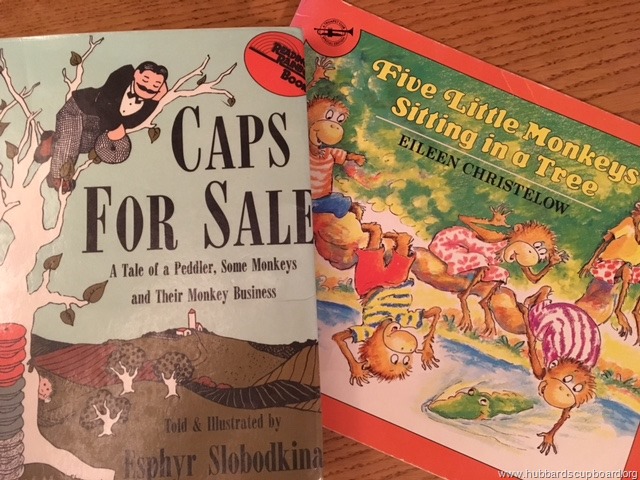
Over at Hubbard’s Cupboard, I have listed more than 25 ‘good’ books to use with preschoolers and kindergarten children.  Each book link gives ideas for rereading the book over a period of five days and lessons to accompany each story. May you be able to adapt these story lesson ideas and use them within your own home or classroom to encourage a love for reading!
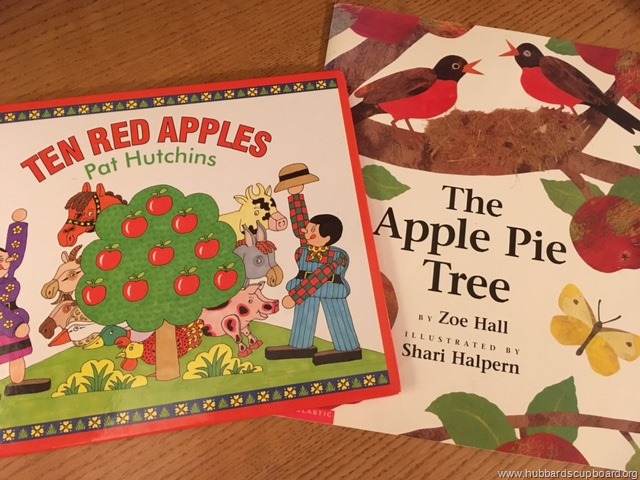
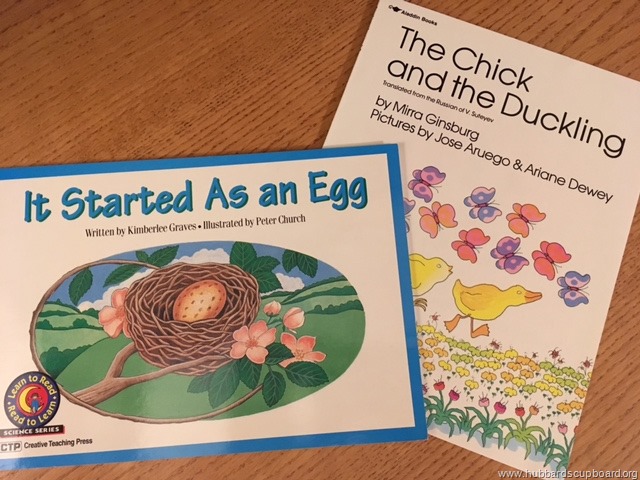
Ten Red Apples  It Started As An Egg  Caps For Sale

Story Lessons

What are some books that your 3-6 year olds ask to have read again and again?
Bible Reading As Kids Grow

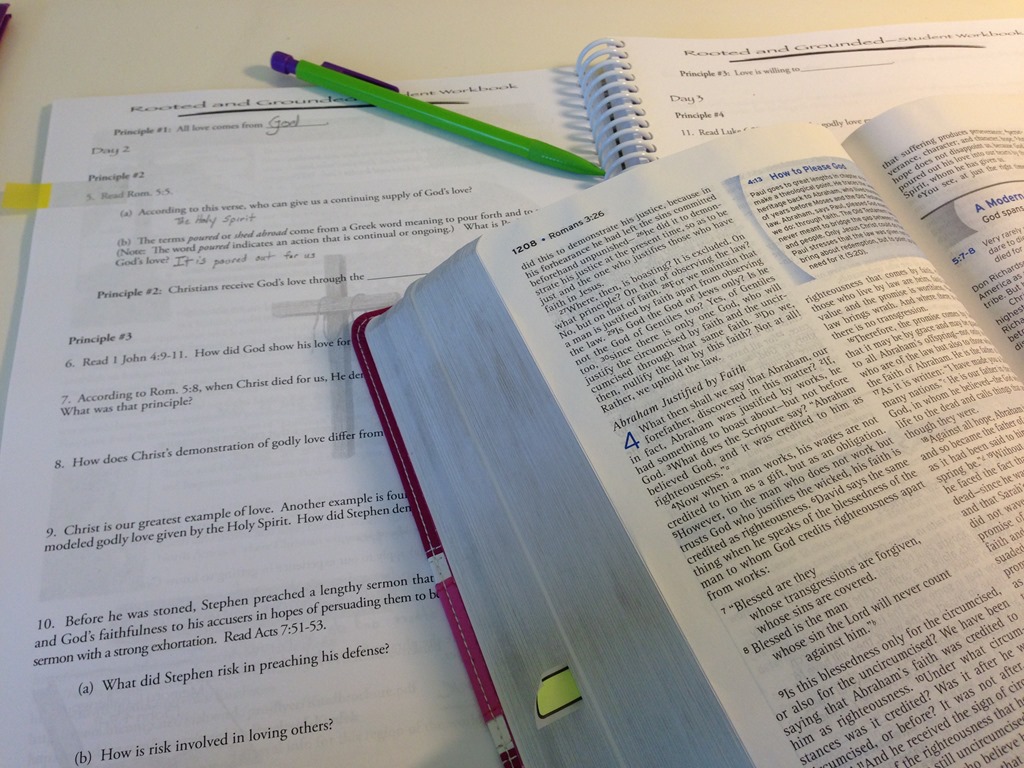
From cover to cover on every page God tells us something about Himself… Look for Him in His Word.  Open the covers of the Bible and discover the great God of the universe, who needs nothing and yet who left heaven to come as a man to die for sin so that we could become His children.
~ from Sally Michael in her children’s devotional God’s Word

Bible Reading as Kids Grow

As you read the Bible aloud, young children can understand Truth in Scripture and can begin to see God’s character revealed.  Throughout the Bible, God shows Himself to be all powerful, holy, the righteous judge, merciful, gracious, loving, faithful,  and true (as well as many other qualities).  In each passage and story, we should be able to ask, ‘What does this tell us about God? How does this point us to Jesus?’

If you are looking for ways to incorporate reading and studying Scripture with various ages of children, check out Bible Reading at Hubbard’s Cupboard.  There, I’ve shared lots of different ways we’ve incorporated Bible reading as a family in the past as well as some simple methods for encouraging individual Bible reading as children grow.

It brings joy to this mama’s heart to be in the Word with our kids as well as to see them continue in the Word on their own!

Solidifying Science Concepts

Over the past several years our children have studied, explored, and enjoyed delving deep into science concepts using the Apologia Young Explorer series by Jeannie Fulbright.  I like the author’s tone in which she writes directly to the kids, how there are hands on experiments and ‘try this’ areas throughout the chapters, the biblical worldview and young earth creation focus throughout each text, and the depth that each book in the Exploring Creation series provides – not just lots of surface level ideas. 

We also utilize Apologia’s corresponding science journals, especially for our upper elementary aged kids, with great success. The upper level journals provide note taking spaces, copywork, vocabulary crosswords, and cut apart booklets or lapbook type sheets for each chapter – all of which help our kids to develop more focused attention and to solidify and review the science concepts being studied.

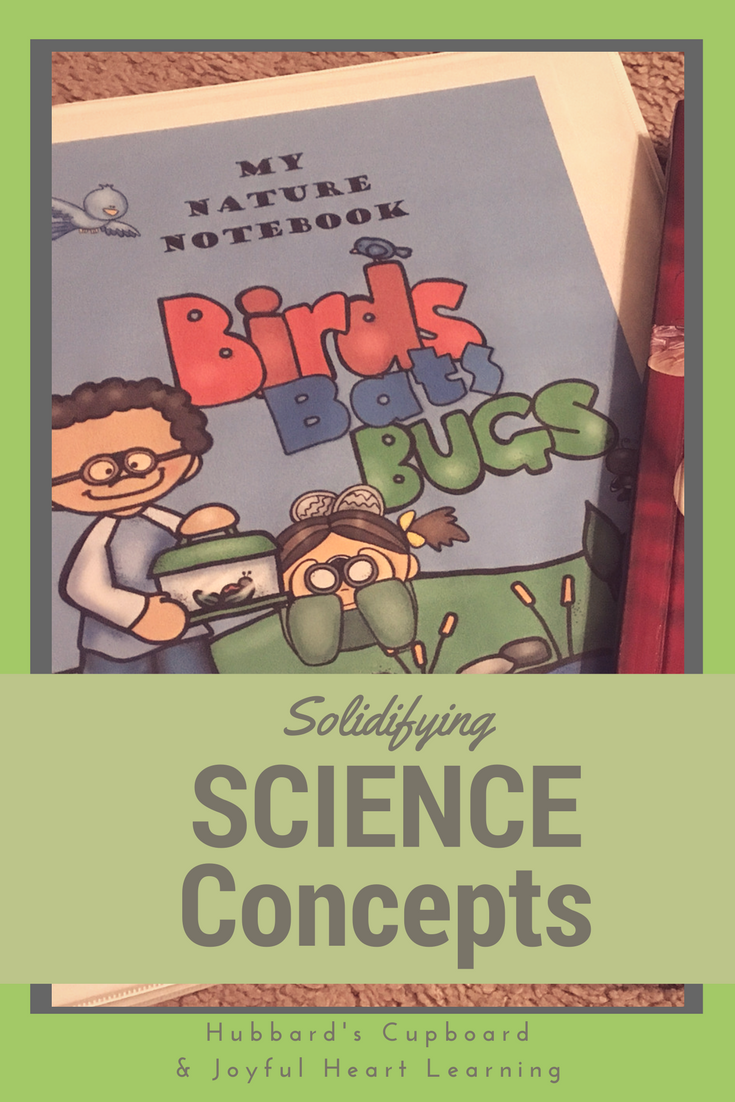
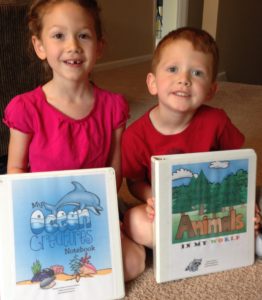
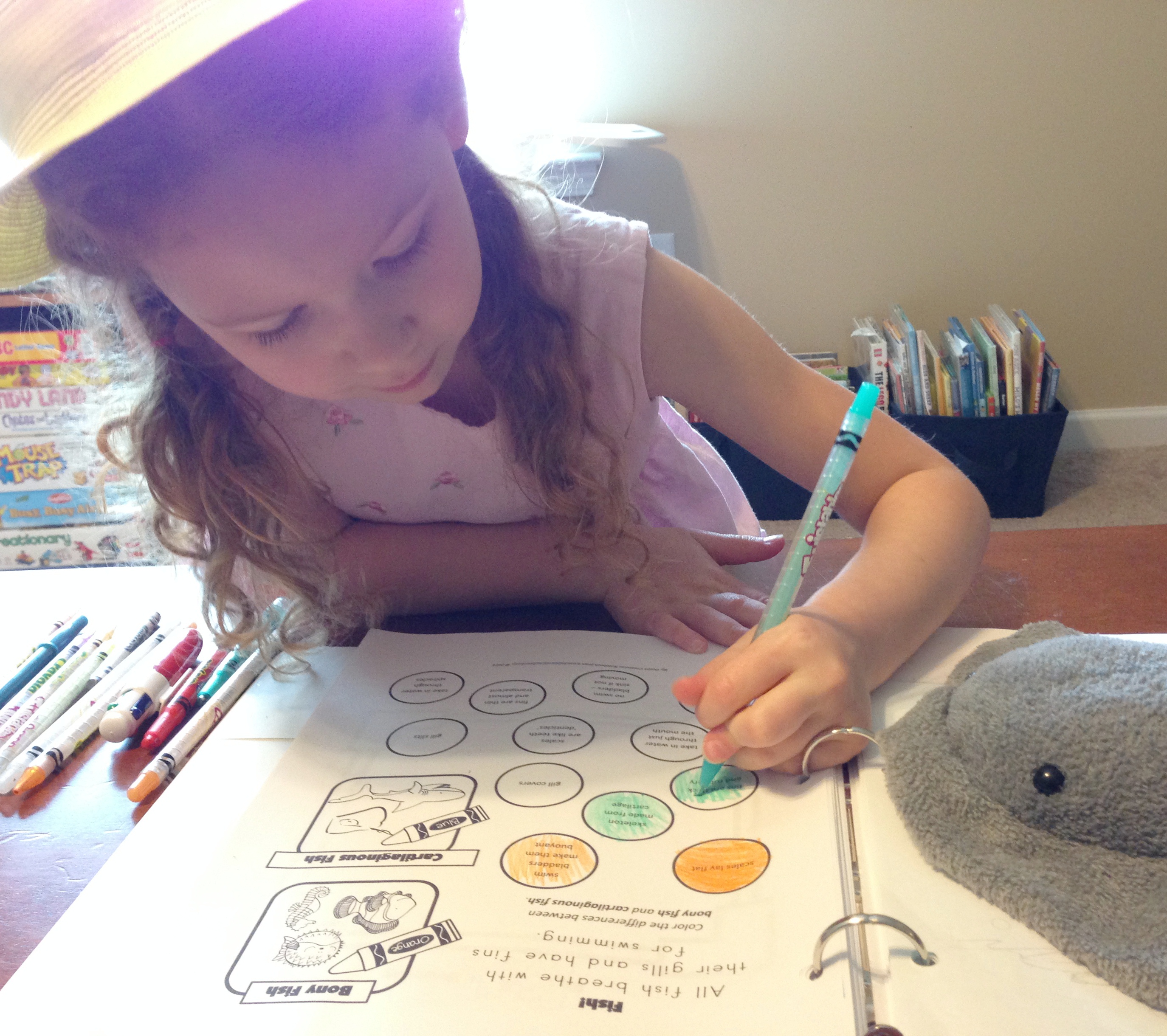
For a few of the books, I have found it beneficial to create a notebook just with our youngest learners in mind.  Please hop over to Hubbard’s Cupboard and take a peek!  They love having a notebook designed just for them that they can use to engage with the science concepts at their own level as their older siblings work in the Apologia journals.

   Apologia Young Explorer Science Series     

We have free printable notebooks and additional projects for the following science topics…

My Nature Notebook: From Seed to Plant  
My Nature Notebook: Birds, Bats, and Bugs  
My Ocean Creatures Notebook  
Animals in My World 
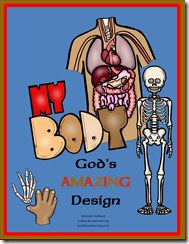
My Body: God’s Amazing Design

From Seed to PlantBirds Bats and BugsOcean CreaturesAnimals in My WorldMy Body: God's Amazing Design


The notebooks can be used fully, in conjunction with the Apologia books (our first choice =) ), or pick and choose a few pages to print and use to support and enhance your own theme/science learning!

100 Days of American History

So, what do you do when you come to the realization that the homeschool history curriculum you purchased for your kids just isn’t working out the way you envisioned? Well, you create your own, of course! 

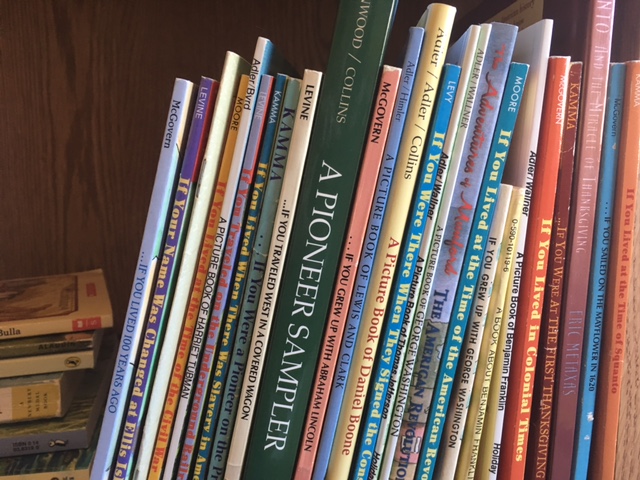
The scheduled readings in the purchased curriculum for my first and third grader seemed dry and uninteresting.  So, I sold the guide and the corresponding books, but decided to focus on the same time period of American history.  I chose to use picture books that have great illustrations, are packed full of information, and hold my sweet children’s attention.   Most importantly, my younger kids (and I) are enjoying learning about history again.  =)

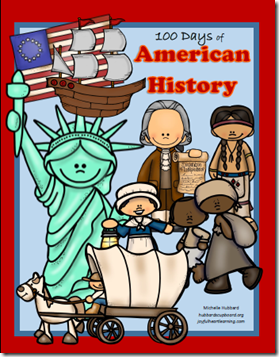
100 Days of American History Cover

Would you like to take a 100 day adventure of American history with us? Travel through books from the time when Squanto was a boy and the time shortly before the Pilgrims arrived through the late 1800’s and the turn of the century!  100 Days of American History is free and contains a list of books recommended for use during the 100 days as well as coordinating notebook pages!  May you and your children enjoy this study as much as our family.


100 Days of American History Read Alouds
100 Days of American History Schedule and Notebook

A Day in My Life ~ as a 9th Grade Homeschooler

Taking Photos

____________________________________
This post is part of the 8th annual “Not” Back-To-School Blog Hop over at the iHomeschool Network.  This week is ‘Day in the Life’ Week in which homeschooled students share what their days are like!  Today, I’m letting my oldest daughter take over the blog so that you might be able to get a glimpse of her day to day life as a homeschooler.  Enjoy!

____________________________________

Well… I don’t think you are usually allowed to do cartwheels with your little sister in a typical school hall way,
Bread1IMG_0471
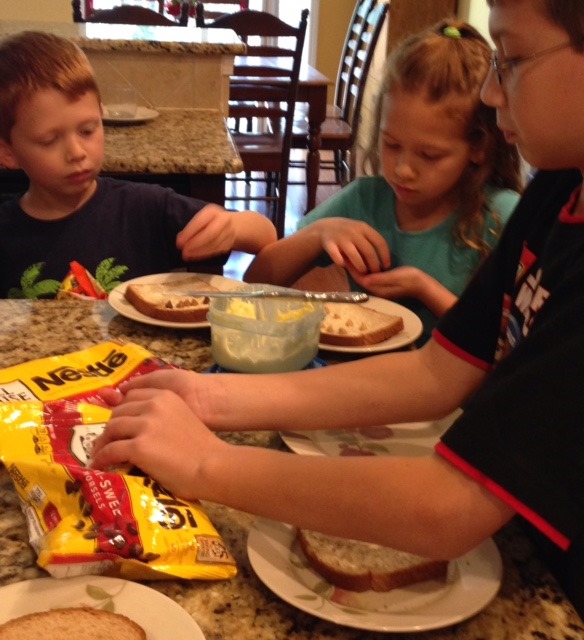
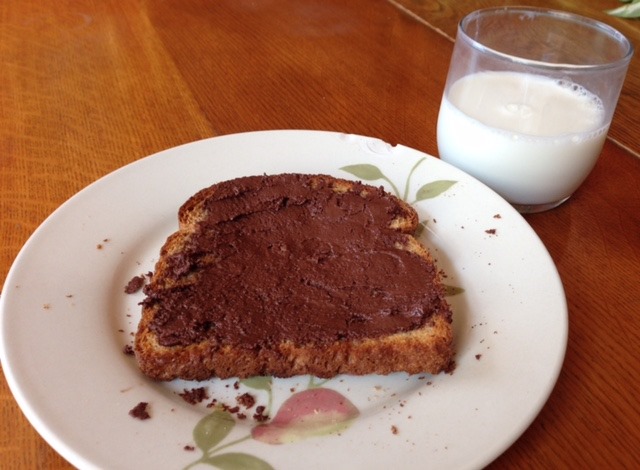
or make special treats for snack.

 IMG_0487

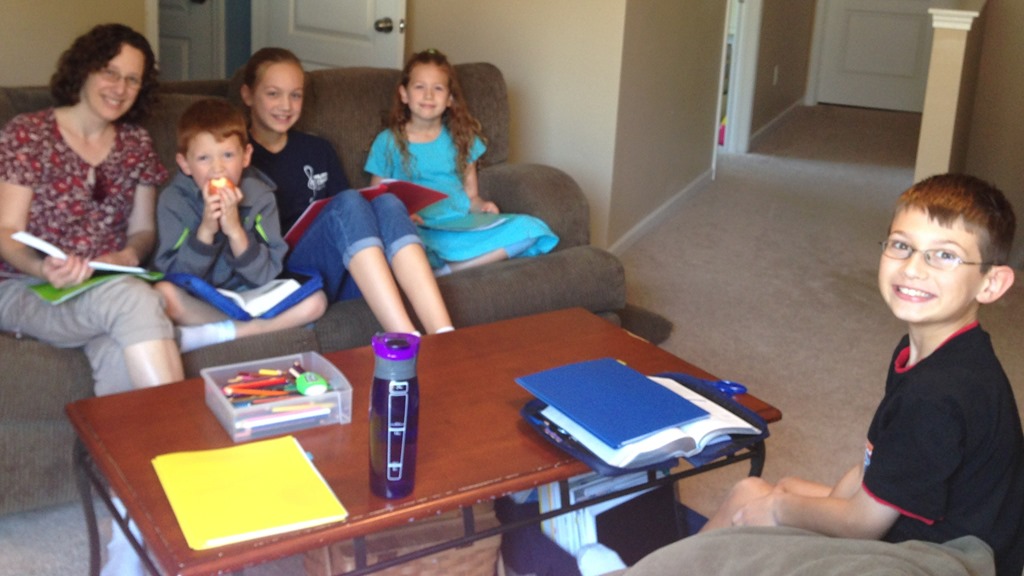
Also, you are not normally in a class room family room with five different grade levels, all learning different things at the same time. Unless … Your home is your school, your mom is your teacher, your siblings are your classmates, and the world is your classroom!

This is my day as a ninth grade homeschooler.

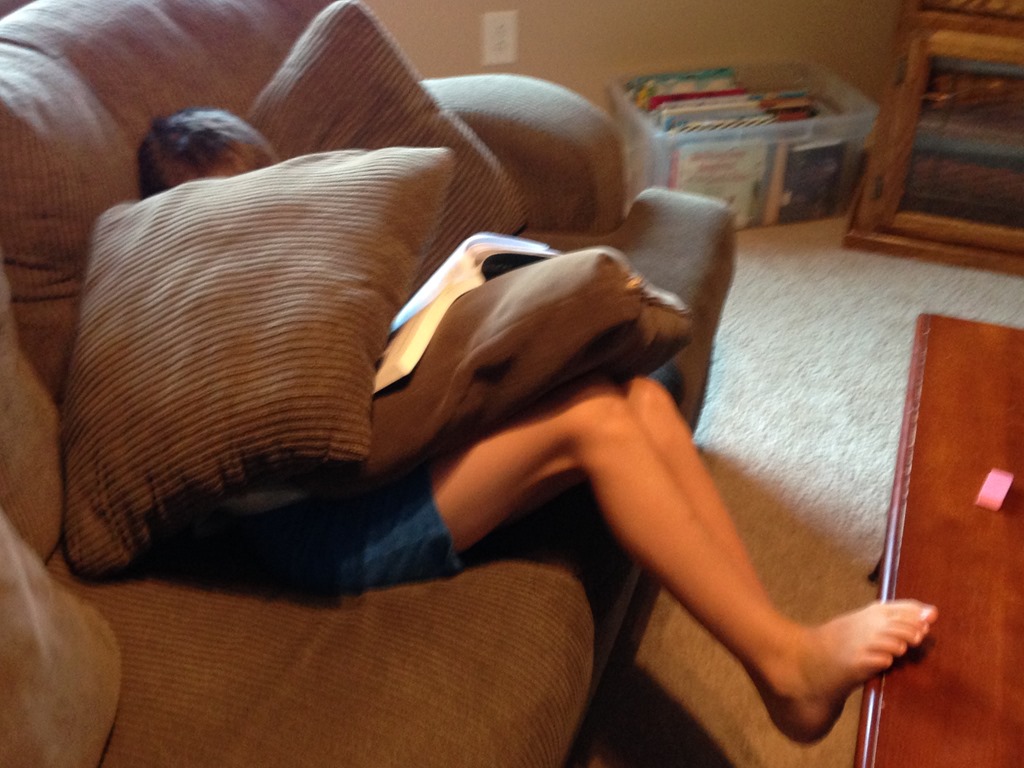
We generally get up about 7 o’clock each morning. Once we’re up, we can work on school before breakfast, read our Bible, etc.  I found my 5th grade brother doing school this morning when I came out of my room. (This often occurs because he is an early riser.)

IMG_0442
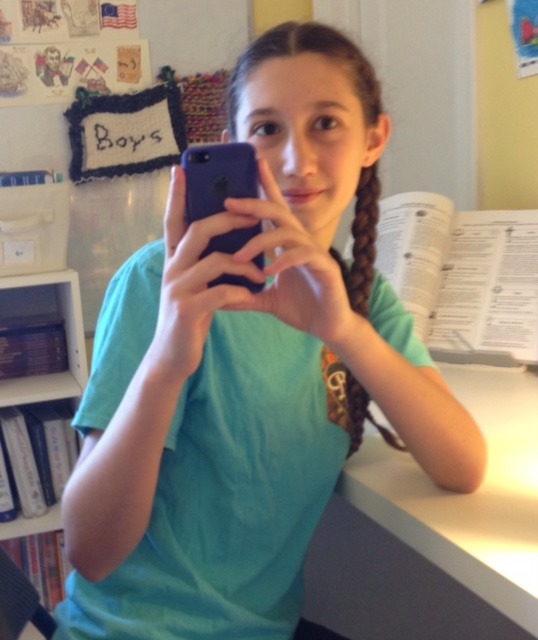
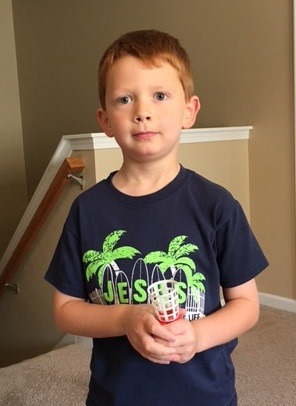
This is what happened though when I tried to take his picture. ;-)

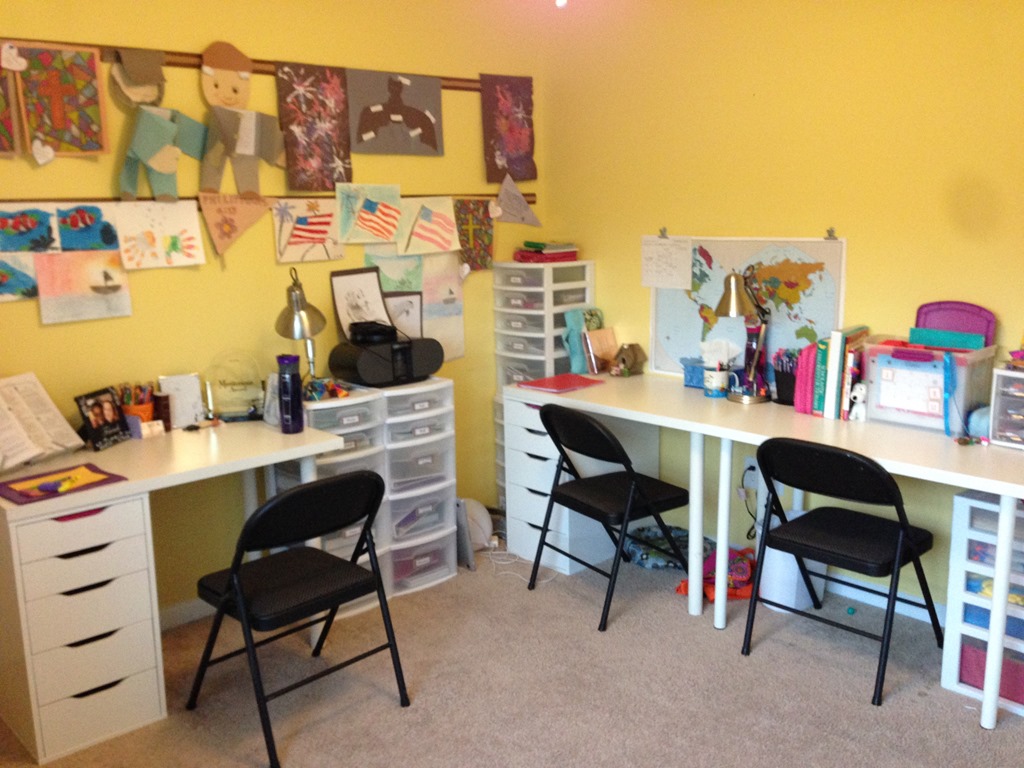
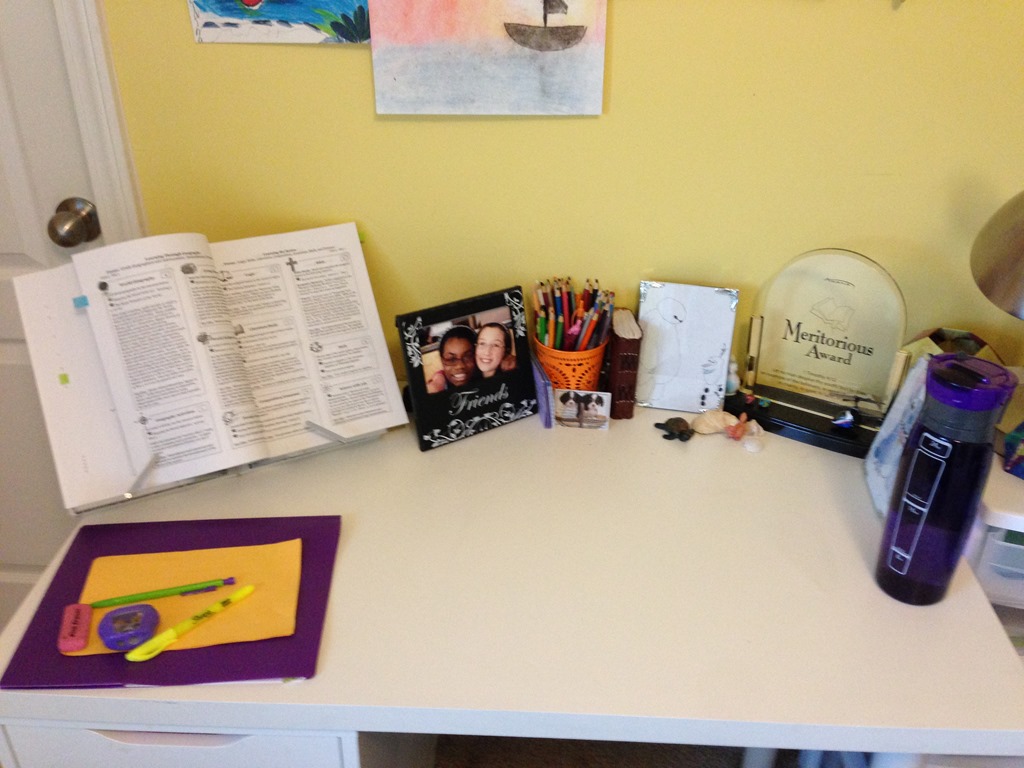
After breakfast, I go up to the school room to see what I have for school that day.IMG_0436 IMG_0439

IMG_8752
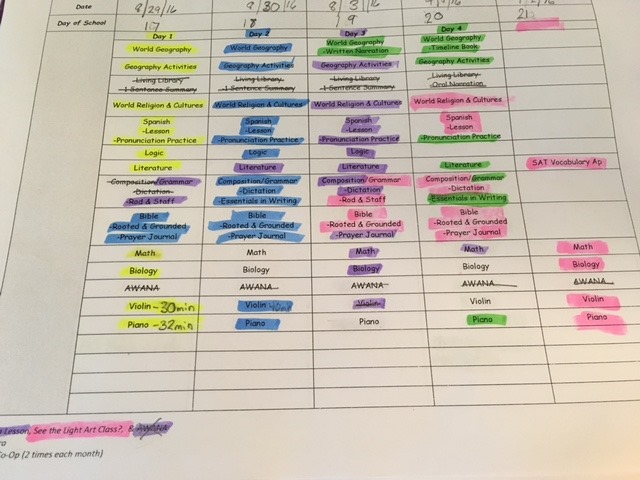
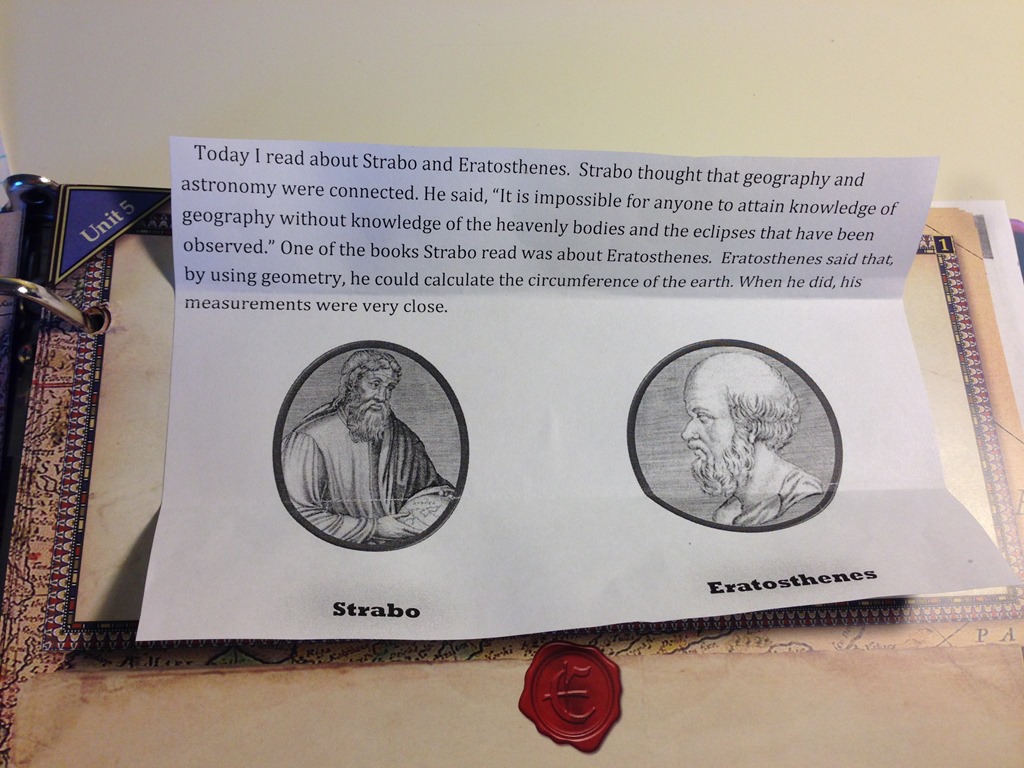
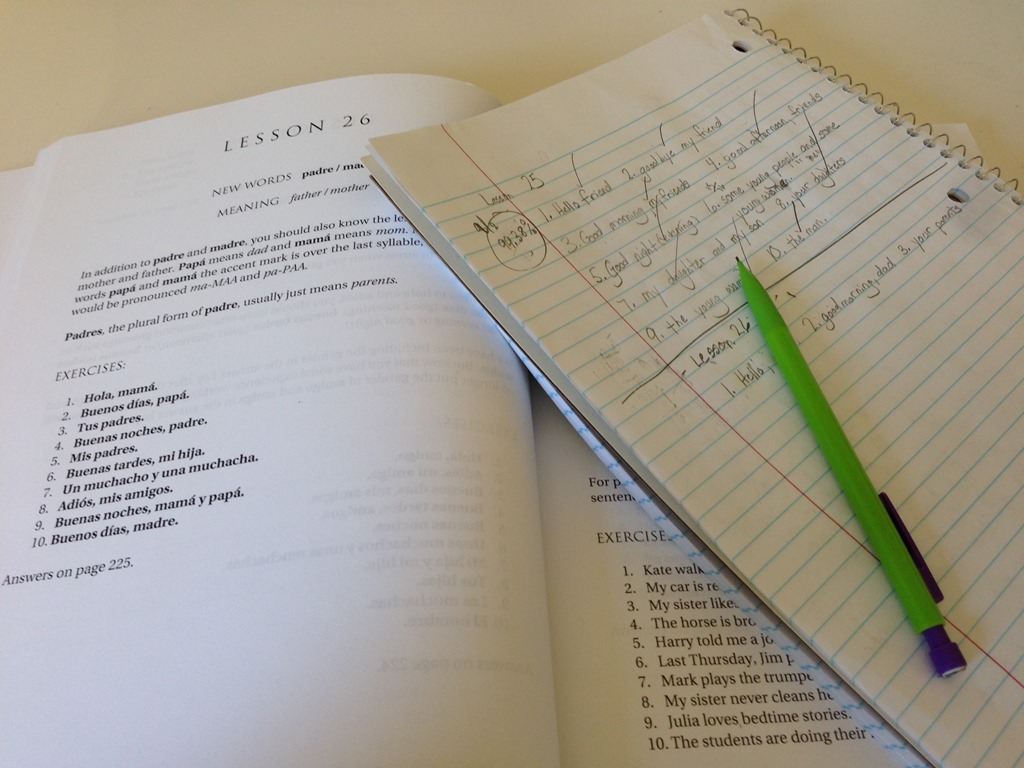
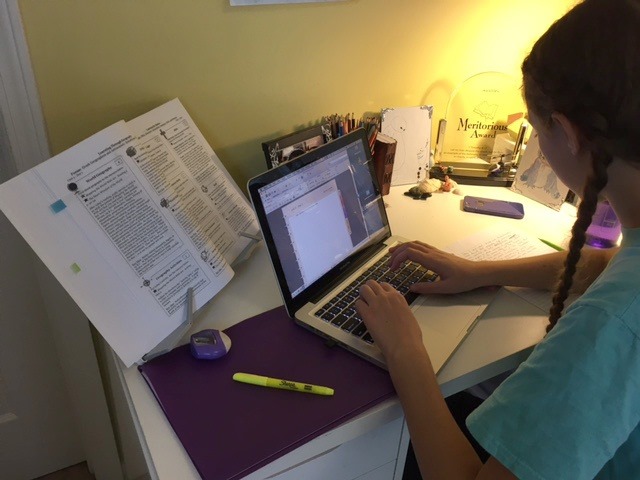
This is my sheet that tells me what to do each day. As I get things done, I highlight them with a highlighter. To make it easier to see which day I did each subject, I use a different color for each day. (My curriculum this year is scheduled for four days each unit, but I can spread it out over five days or have one lighter day!)

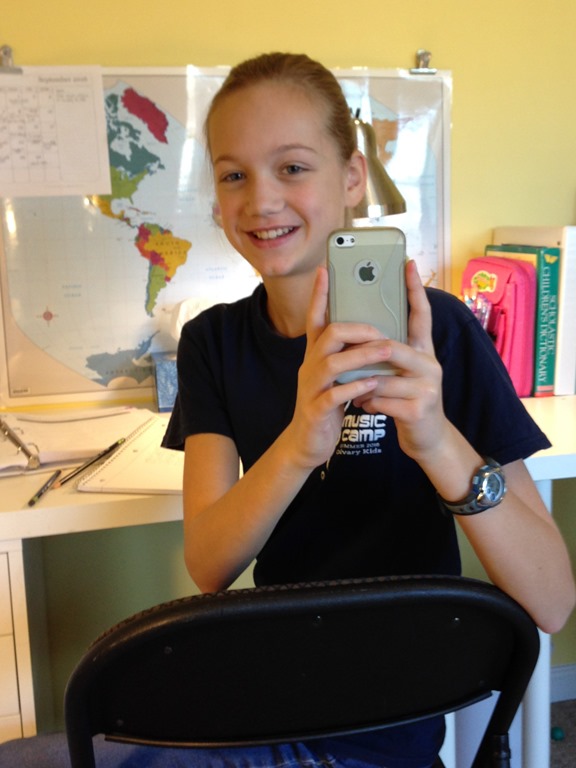
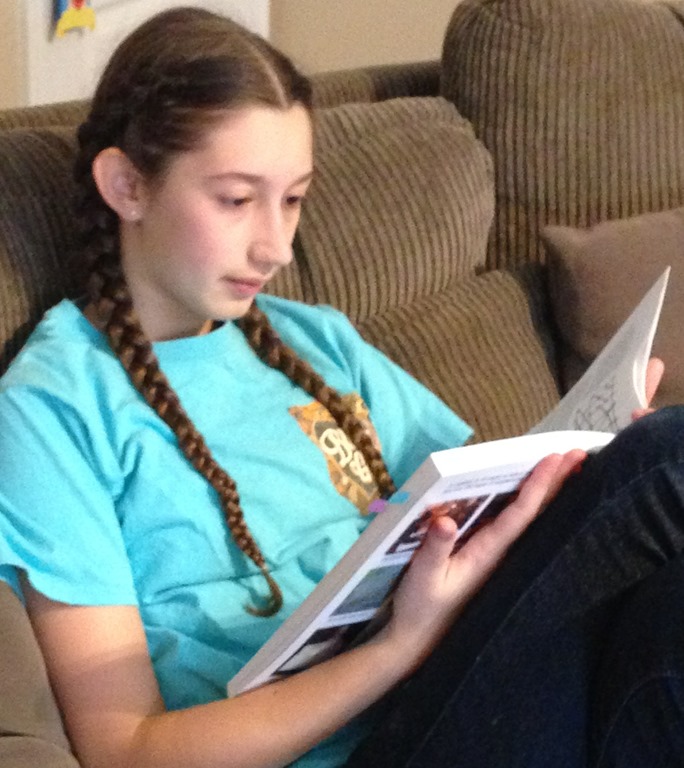
My 7th grade sister is also taking pictures of her day today.
IMG_0458

Now, it’s time to study!
IMG_0459 IMG_0469IMG_0470 IMG_0518IMG_8668

Ok. So, maybe it didn’t quite work out like that. If you have ever been homeschooled for any amount of time, you know studying doesn’t always go that smoothly. There are almost always distractions …

IMG_8657 like funny little brothers…

IMG_0524or beautiful butterflies….

IMG_8656
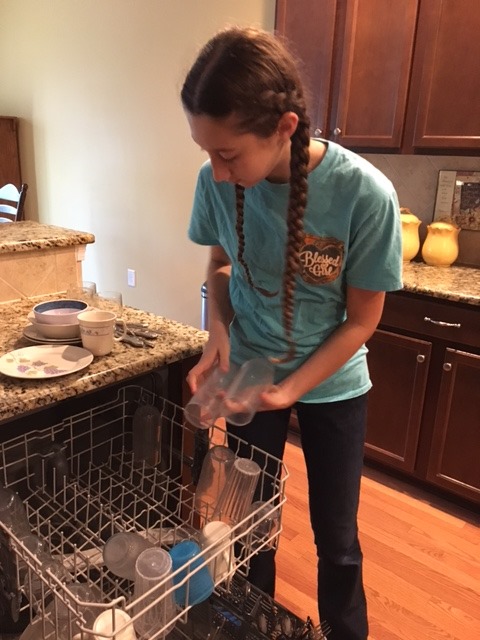
or chores (Does that count as a distraction? Maybe not.)

IMG_0496
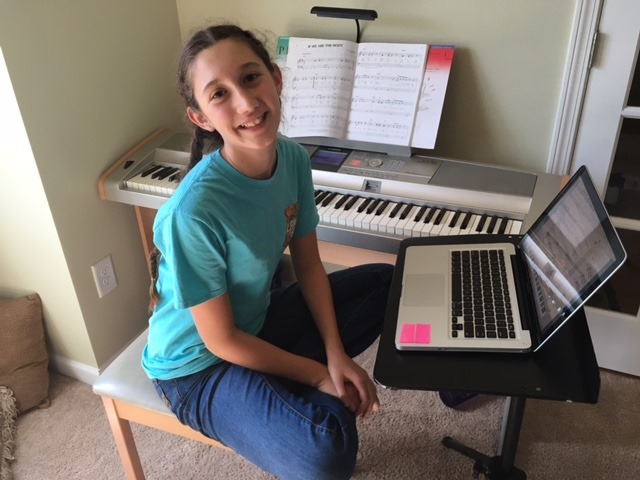
or giving piano lessons…but we normally get back on track.

IMG_0522
IMG_8660

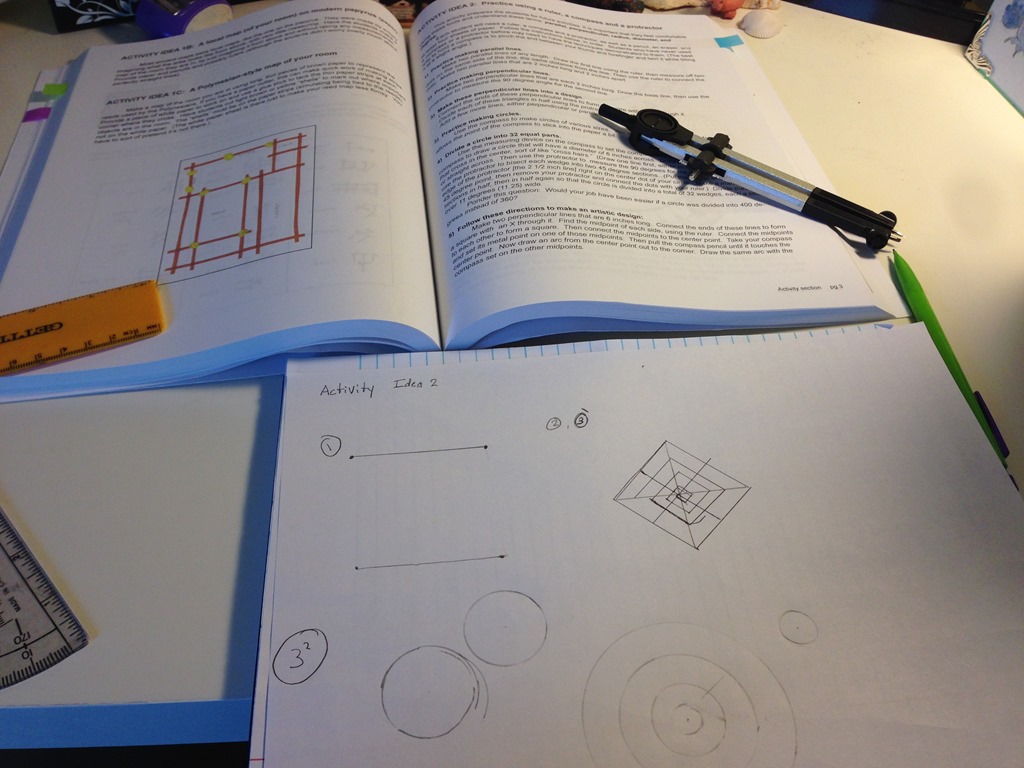
Also, did you think we just did book work? No way!
IMG_8535 IMG_6994

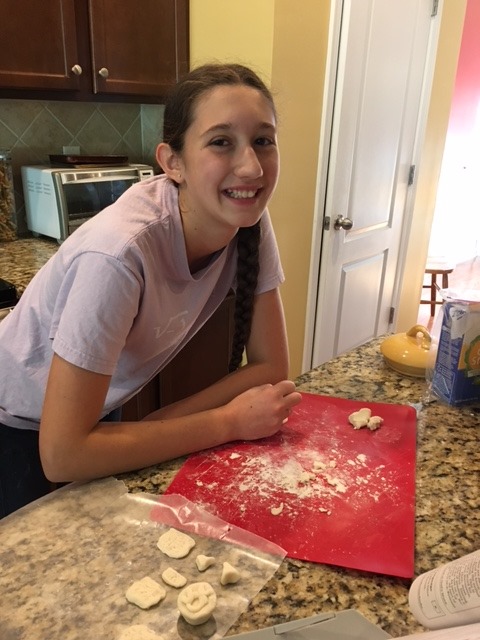
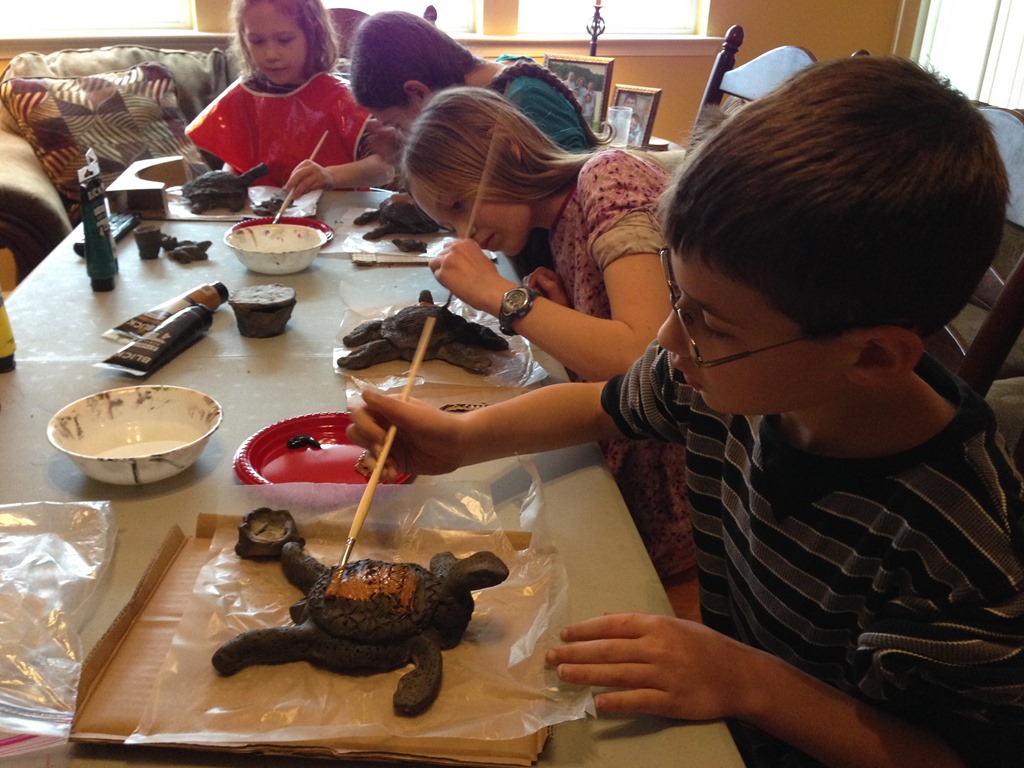
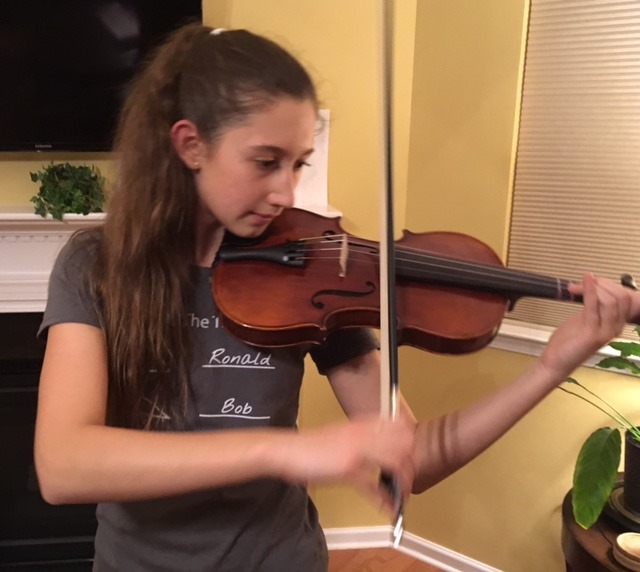
Above, I’m making clay stamps. In the picture to the right of that, we are all painting our clay turtles that we had sculpted on a previous day. In the photos below, I’m writing a song and playing violin. (I also play piano.)

IMG_8629 FullSizeRender

For recreation, I like to do gymnastics (Remember the cartwheels in the hall way?), dance about the house,  and ride bikes around our neighborhood when it’s not too terribly hot.

Additionally, our family gets together with other families from church to do our science labs and more art. Yay!

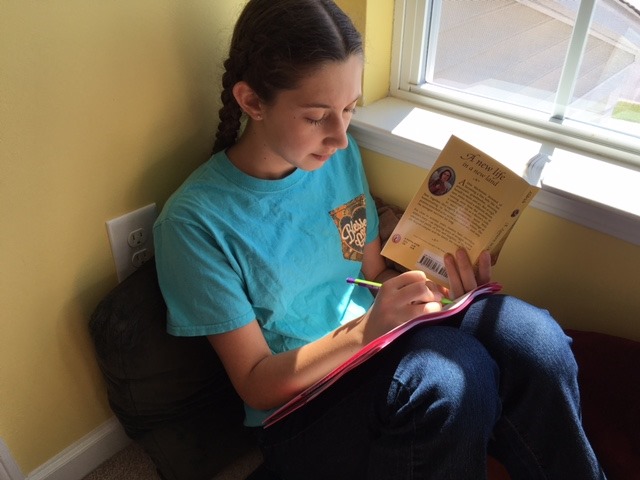
After I finish my school work, I enjoy reading a good book (Historical fiction is great!), sewing, playing music with my siblings, and writing stories.

So, that’s my day. It’s busy, but it is also fun! Sometimes people ask me how I like homeschooling, and, to tell you the truth, I love it!  I wouldn’t trade this style of learning for any other way. Thank you for pouring so much time and effort into my life, Mom!  I love you!

P.S:  The special treat that is shown towards the beginning of this post is called Chocolate Bread. It is a yummy, easy to make, snack that my siblings and I enjoy.

Chocolate Bread
Bread

Ingredients

– 1 slice of bread  – butter  – chocolate chips  – peanut butter chips (optional)

Instructions

1. Spread butter onto your slice of bread.
2. Place your chocolate (and/ or peanut butter) chips onto your slice of bread.
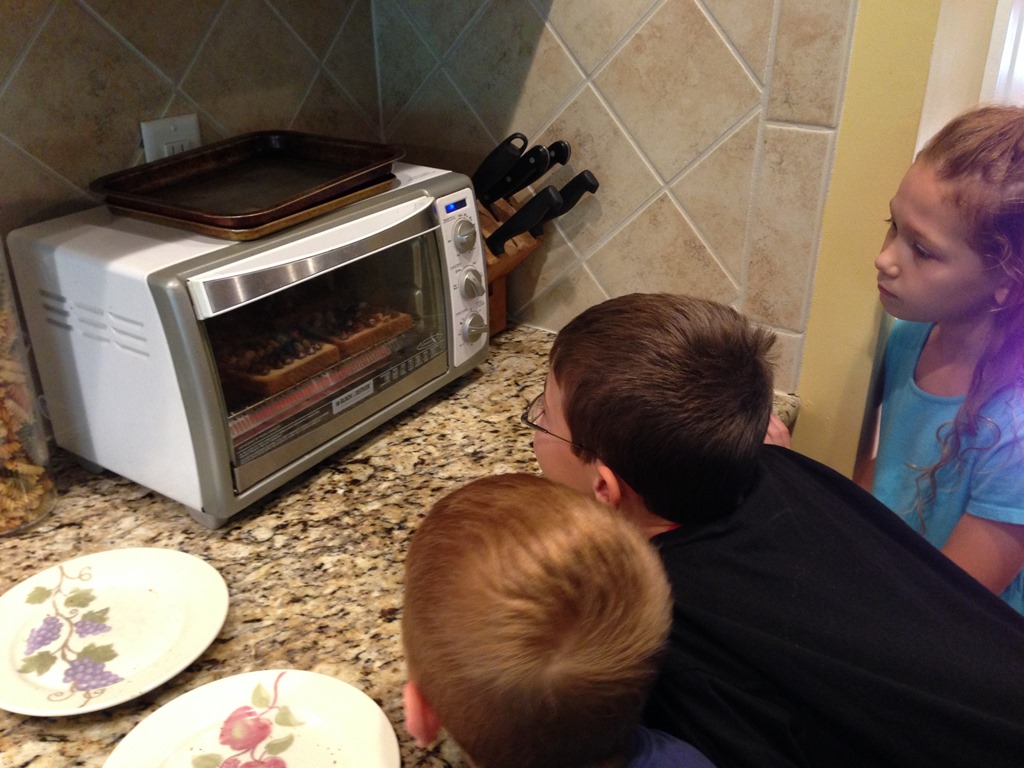
3. Bake your bread in the oven until the chips melt. (As you saw, we used a toaster oven.)
4. Once your bread has been baked, spread your melted chips over the bread.
5. Eat your Chocolate Bread and enjoy!

Related Posts Plugin for WordPress, Blogger...